The Ultimate Guide to Kaudulla National Park Safari: Wildlife, Tips & Complete Planning
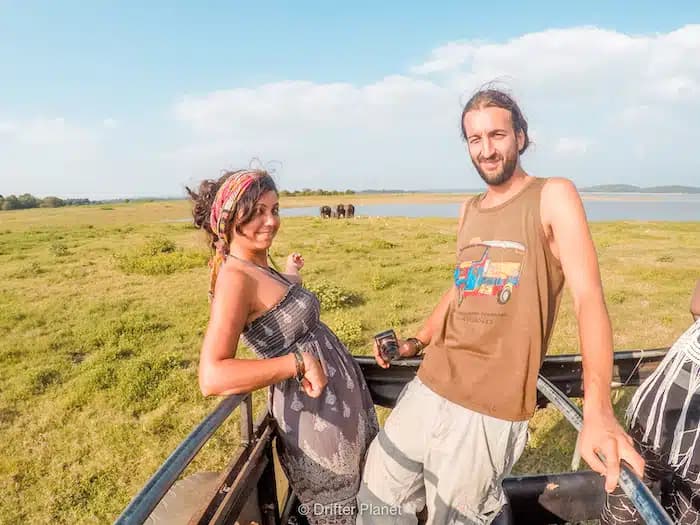
Kaudulla National Park stands as one of Sri Lanka's most extraordinary wildlife destinations, offering visitors unparalleled opportunities to witness the legendary elephant gathering phenomenon while experiencing the country's remarkable biodiversity. Located in the North Central Province within Sri Lanka's cultural triangle, this 6,900-hectare protected area revolves around the ancient Kaudulla Tank—a massive reservoir constructed in the 3rd century by King Mahasen that continues serving as a vital water source for wildlife centuries later. Unlike many safari parks where wildlife sightings require luck and patience, Kaudulla virtually guarantees spectacular elephant encounters during peak seasons when herds numbering 100 to 300+ individuals congregate around the tank's shoreline. Beyond elephants, the park shelters diverse ecosystems ranging from dense forests to open grasslands and seasonal wetlands, supporting populations of leopards, sloth bears, water buffalo, numerous deer species, and over 160 bird species including impressive concentrations of painted storks, pelicans, and migratory waterfowl. This comprehensive guide provides everything you need to plan, prepare for, and maximize your Kaudulla safari experience, whether you're a first-time safari visitor, serious wildlife photographer, family traveler, or nature enthusiast seeking authentic wilderness encounters in one of Asia's most important elephant habitats.
Understanding Kaudulla's Unique Ecosystem and Wildlife Dynamics
What makes Kaudulla National Park exceptional among Sri Lanka's many protected areas is the intimate relationship between the ancient irrigation system and modern wildlife populations. The Kaudulla Tank, built over 1,700 years ago as part of Sri Lanka's sophisticated ancient hydraulic civilization, wasn't designed for wildlife conservation—yet it has become the very foundation of the park's ecological significance. During Sri Lanka's dry season, as peripheral water sources throughout the region gradually dry up, this massive reservoir becomes a critical life-sustaining resource, drawing elephants from surrounding forests and creating one of Asia's most spectacular seasonal wildlife gatherings.
The park's landscape diversity creates varied habitats supporting different species and behaviors. Around the tank's extensive shoreline, shallow water edges expose nutrient-rich grass beds as water levels drop during dry months—this fresh grass growth provides elephants with essential nutrition, drawing family groups from across the region. Beyond the immediate shoreline, expansive grassland plains interspersed with scattered trees offer grazing areas for spotted deer, sambar deer, and wild buffalo herds. These open areas also provide ideal viewing conditions where safari visitors can observe wildlife against dramatic landscape backdrops with the ancient tank shimmering in the distance.
Transitioning from grasslands toward the park's periphery, denser forest zones provide shade, resting areas, and food sources for elephants during midday heat, while also sheltering more elusive species like leopards and sloth bears. These forest edges create natural wildlife corridors connecting Kaudulla with neighboring protected areas including Minneriya National Park and Hurulu Eco Park, allowing elephant populations to move between reserves following ancient migration routes. This connectivity proves crucial for maintaining genetic diversity within elephant populations and preventing the inbreeding problems that plague isolated wildlife reserves.
The park's seasonal wetlands and mud wallows serve specialized ecological functions, providing essential temperature regulation for elephants while creating habitat for water birds, amphibians, and aquatic species. Watching elephants coat themselves in mud then dust their bodies with dry soil reveals sophisticated thermoregulation and parasite control behaviors developed over millions of years of evolution—behaviors increasingly critical as climate change intensifies tropical heat extremes.

Seasonal Wildlife Patterns: When to Visit for Best Experiences
Understanding Kaudulla's seasonal dynamics is essential for planning safaris that deliver the wildlife experiences you're seeking, as the park transforms dramatically throughout the year based on monsoon patterns and water availability.
Peak Elephant Gathering Season (July - September)
These three months represent the absolute pinnacle of Kaudulla safari experiences when the legendary elephant gathering reaches maximum intensity. As the dry season fully establishes and temperatures peak, elephants converge on the Kaudulla Tank in extraordinary numbers—regular sightings of 150-250 elephants occur throughout these months, with some exceptional days producing gatherings exceeding 300 individuals.
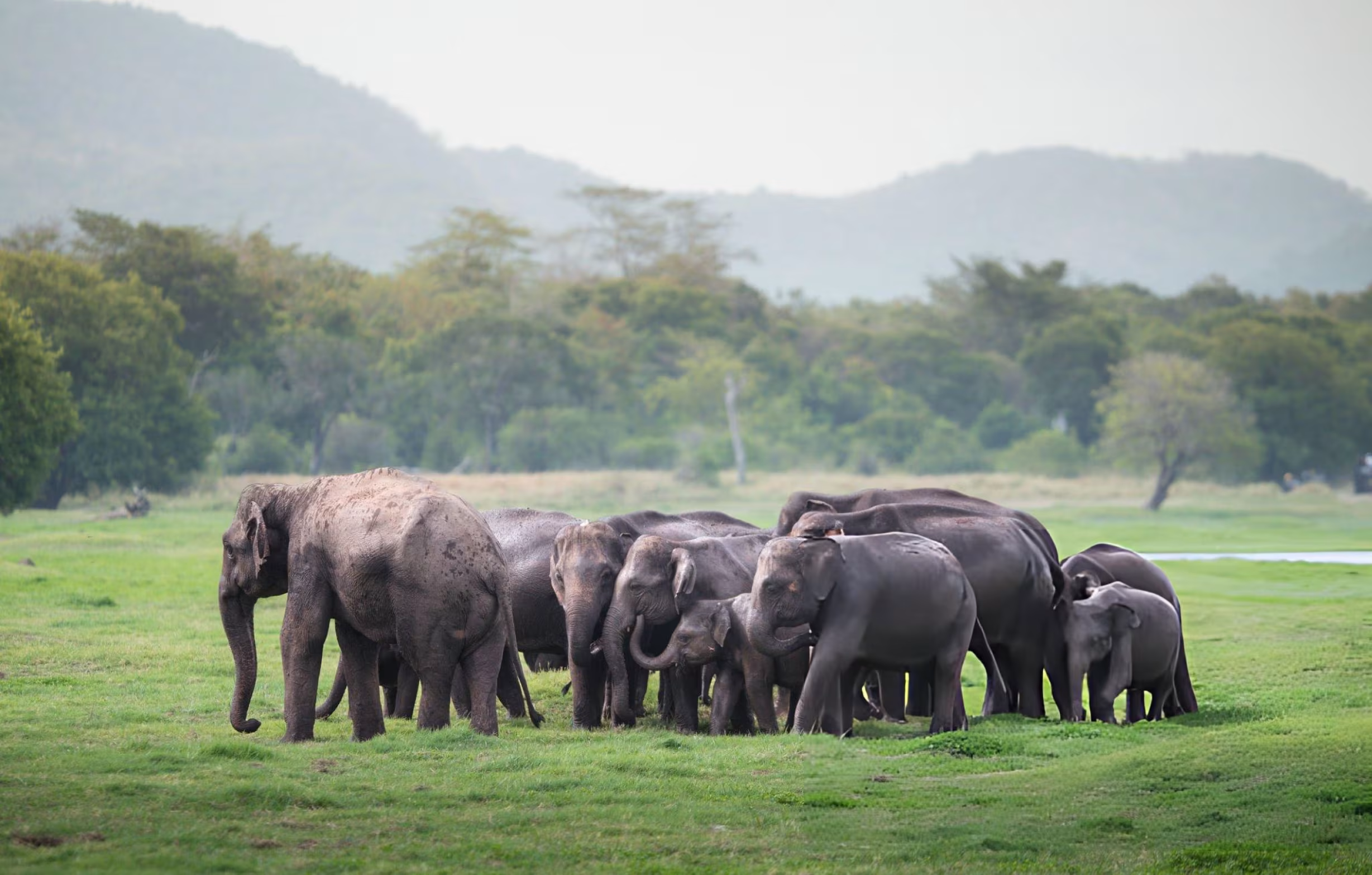
During peak season, entire sections of the tank shoreline disappear beneath living masses of gray bodies as multiple elephant family groups congregate in relatively concentrated areas. This density creates non-stop behavioral observations—you'll witness protective mothers guiding young calves through bathing rituals, teenage bulls engaging in sparring matches to establish dominance hierarchies, wise matriarchs leading family groups to prime feeding locations, and massive tusker bulls asserting territorial authority. The constant activity and interaction between numerous elephant clans provides wildlife enthusiasts and photographers with unlimited opportunities to observe the complex social structures governing elephant society.
Beyond sheer numbers, peak season offers optimal photography conditions with consistently sunny weather, clear visibility across open grasslands, and dramatic late afternoon lighting as elephants gather at the water's edge for evening bathing sessions. The dry landscape's golden-brown tones create beautiful color palettes complementing elephants' gray skin, while dust clouds kicked up by moving herds add atmospheric elements to images.
The primary consideration during peak season is increased visitor numbers—this is Kaudulla's busiest period when safari bookings should be made 2-4 weeks in advance, particularly for weekends and holidays. However, the park's large size and multiple viewing routes generally prevent overcrowding issues, and the guaranteed spectacular elephant viewing justifies the slightly busier conditions.
Shoulder Season Excellence (May-June, December-January)
Shoulder seasons provide compelling alternatives for visitors seeking excellent wildlife viewing while avoiding peak tourist intensity. Early dry season months (May-June) see elephant numbers steadily building from 80-100 elephants in May to 120-180 by late June as the dry season intensifies and gathering momentum increases. Late dry season/early wet transition (December-January) maintains respectable elephant concentrations of 60-120 individuals as some herds remain near the tank while others begin dispersing with early monsoon rains.
Shoulder season advantages include moderate visitor numbers making safari bookings easier with shorter advance notice required, lower accommodation rates at nearby hotels and lodges, and more intimate wildlife encounters with smaller elephant groups allowing focused observation of family dynamics and individual behaviors. December-January particularly offers pleasant weather conditions with cooler temperatures and minimal rainfall creating comfortable safari experiences.
Wildlife photography during shoulder seasons benefits from varied landscape conditions—May-June retains some green vegetation from previous monsoons creating more colorful backdrops than peak dry season's uniformly brown landscape, while December-January's clear skies and comfortable temperatures provide excellent working conditions without extreme heat. Bird populations remain diverse during shoulder months with both resident species and migratory visitors present.
Off-Peak and Monsoon Periods (October-November, February-April)
Off-peak months offer dramatically different Kaudulla experiences appealing to specific traveler types and interests. During monsoon season (October-November), regular rainfall disperses elephant populations as water sources proliferate throughout the region, reducing typical gatherings to 30-80 elephants in smaller, scattered groups. However, this dispersion allows more intimate observations of family units without the visual chaos of massive gatherings, and significantly reduced tourist numbers mean you might be among only a handful of visitors in the entire park.
Monsoon season transforms the landscape into lush greenery creating beautiful contrasts with the dry season's golden tones. This verdant environment appeals to landscape photographers seeking varied imagery beyond typical safari browns and golds. Birdwatching reaches peak diversity during October-November as resident species are joined by northern migratory visitors, creating exceptional opportunities for ornithologists and bird photographers.
February-April represents the transition from monsoon back toward dry season, with gradually declining rainfall and increasing temperatures. Elephant numbers slowly rebuild during these months, while the mixed landscape—remaining greenery from monsoons combined with drying grasslands—provides varied habitats supporting diverse wildlife. This period works well for budget-conscious travelers as accommodation rates remain lower than peak season, and for visitors prioritizing peaceful wilderness experiences over maximum wildlife density.
Complete Wildlife Species Guide
While elephants dominate Kaudulla's reputation and deservedly so, the park protects remarkably diverse fauna spanning large mammals, smaller creatures, reptiles, and exceptional birdlife.
The Stars: Asian Elephants
Sri Lankan elephants (Elephas maximus maximus) represent a distinct subspecies of Asian elephant, slightly smaller than their African cousins but no less impressive. Adult males stand 2.5-3.5 meters at shoulder height and weigh 2,000-5,500 kilograms, while females measure slightly smaller at 2-3 meters and 2,000-3,500 kilograms. Unlike African elephants where both sexes commonly grow tusks, only some male Asian elephants develop prominent tusks—many males and virtually all females remain tuskless or develop small tushes barely visible outside the mouth.
Observing elephant behavior during Kaudulla safaris reveals the sophisticated intelligence and complex social structures that make these animals so fascinating. Elephant society is matriarchal, with family groups led by the oldest, most experienced female who makes critical decisions about movement, feeding locations, and responding to threats. These family units typically consist of the matriarch, her daughters and their offspring, with groups ranging from 5-20 individuals maintaining close bonds throughout their lives.
Watch for distinctive behaviors including trunk greetings where elephants entwine trunks in elaborate hellos, dust bathing rituals where elephants blow dust over their bodies for sun protection and parasite control, and protective formations where adults surround calves when threats approach. Listen for the rumbling vocalizations elephants use for long-distance communication—while humans hear only the loudest rumbles, much elephant communication occurs at infrasonic frequencies below human hearing range, allowing groups to coordinate movements across several kilometers.
Young elephants provide endless entertainment as they learn essential life skills through play and observation. Watch calves practicing trunk control by manipulating objects, play-fighting with siblings to develop combat skills they'll need as adults, and mimicking adult feeding behaviors under patient maternal supervision. These observations of elephant family life create the most memorable and emotionally resonant safari moments.

The Elusive: Sri Lankan Leopard
The Sri Lankan leopard (Panthera pardus kotiya) represents the island's apex predator and one of the most sought-after sightings among serious wildlife enthusiasts, though encounters remain relatively rare at Kaudulla compared to Yala National Park's southern dry zone. These magnificent cats stand as a distinct subspecies endemic to Sri Lanka, with males weighing 50-77 kilograms and females 29-36 kilograms.
Leopard sightings at Kaudulla occur primarily during very early morning safaris or late evening hours when these predominantly nocturnal predators move between dense forest cover and open areas while hunting. Forest edge zones near the park periphery offer the highest probability of encounters, as leopards prefer areas with dense vegetation providing stalking cover combined with access to prey species like spotted deer and wild boar.
If fortunate enough to observe a leopard, maintain absolute silence and avoid sudden movements—these powerful predators are normally wary of humans and will typically disappear into cover if disturbed. Respect any guide instructions about maintaining safe distance, as leopards with kills or cubs can be unpredictable. Even a brief leopard sighting creates an exceptional highlight of any Kaudulla safari, given their rarity and the privilege of observing one of the world's most beautiful big cats in natural habitat.
Herbivore Diversity: Deer, Buffalo, and Wild Boar
Spotted deer (Axis axis), also called chital, represent Kaudulla's most commonly observed ungulate species after elephants. These beautiful deer sport distinctive white spots against reddish-brown coats (males) or paler brown (females and young), with males developing impressive antlers annually. Spotted deer often graze in mixed herds near elephant groups, benefiting from the elephants' keen awareness of predators and disturbing vegetation that exposes fresh grass.
Sambar deer (Rusa unicolor) stand larger and darker than spotted deer, with adults weighing 150-320 kilograms and males sporting robust antlers. These deer prefer forest edges and denser vegetation compared to spotted deer's open grassland preferences. Watch for sambar wallowing in mud or water during hot midday hours.
Wild buffalo (Bubalus arnee) appear throughout the park in small herds, particularly around wetland areas and tank shallows. These massive animals can weigh up to 1,000 kilograms and display impressive horn spans. While generally peaceful, buffalo can be dangerous when threatened or protecting calves—maintain respectful distance and never position vehicles between buffalo and water or blocking their movement paths.
Wild boar (Sus scrofa) root through undergrowth and grasslands, their distinctive snouts and stocky builds visible particularly during morning and evening hours when they're most active. Males grow impressive tusks used in territorial disputes and defense against predators.
Avian Abundance: 160+ Bird Species
Kaudulla's exceptional birdlife attracts ornithologists and bird photographers from around the world, with over 160 recorded species including both resident populations and seasonal migrants.
Water birds dominate the tank area with spectacular concentrations visible during dry season when receding water concentrates fish and aquatic prey. Painted storks (Mycteria leucocephala) gather in massive colonies, their distinctive yellow beaks and pink-tinged plumage creating colorful displays as hundreds nest in trees near the water. Spot-billed pelicans (Pelecanus philippensis) fish cooperatively in groups, their huge pouches scooping up prey. Lesser adjutant storks (Leptoptilos javanicus), Asian openbills (Anastomus oscitans), and various egret and heron species stalk shallow waters hunting frogs and small fish.
Raptors including grey-headed fish eagles (Haliaeetus ichthyaetus), crested serpent eagles (Spilornis cheela), and occasionally white-bellied sea eagles (Haliaeetus leucogaster) patrol from high perches, swooping to capture fish or small mammals. Kingfishers flash brilliant blues and oranges along water edges—watch for white-throated kingfishers (Halcyon smyrnensis), common kingfishers (Alcedo atthis), and pied kingfishers (Ceryle rudis) diving for prey.
Forest and grassland species include the endemic Sri Lankan grey hornbill (Ocyceros gingalensis), Sri Lankan junglefowl (Gallus lafayettii)—the country's national bird—, Indian roller (Coracias benghalensis) with its spectacular blue plumage, and numerous bee-eater, drongo, and babbler species providing constant avian activity and vocalization throughout safaris.

Safari Duration Options and What to Expect
Kaudulla safaris typically offer two main duration options, each providing distinct advantages based on your interests, schedule, and wildlife priorities.
Half-Day Safaris (3-4 Hours)
Half-day safaris represent the standard offering, available as either morning sessions (approximately 6:00 AM - 9:30 AM) or afternoon sessions (approximately 3:00 PM - 6:30 PM). These concentrated time frames focus on peak wildlife activity periods when animals are most active and observable.
Morning half-day safaris begin with hotel pickup around 5:30-5:45 AM to reach the park entrance by opening time (6:00 AM). The first 90 minutes typically prove most productive as elephants are actively feeding after nighttime rest, other mammals move through open areas before seeking midday shade, and birds begin their day with peak vocal activity and feeding. The soft morning light creates ideal photography conditions with warm golden tones and long shadows adding depth and dimension to images.
As morning temperatures rise toward 9:00-9:30 AM, wildlife activity typically slows as animals seek shade and rest during midday heat. Most half-day morning safaris conclude around 9:30-10:00 AM, returning visitors to accommodations by 10:30-11:00 AM with entire afternoons free for other activities like swimming pools, cultural site visits, or rest.
Afternoon half-day safaris begin with pickup around 2:30-2:45 PM, entering the park by 3:00 PM. The first hour often proves quieter as many animals remain in shade during peak heat, but activity steadily increases as temperatures moderate toward 4:30-5:00 PM. The final 90 minutes before park closing (6:30 PM) provide spectacular viewing as elephants emerge from forest shade and converge on the tank for evening bathing and drinking—often the day's most impressive elephant gatherings occur during this golden hour period.
Late afternoon lighting creates magical photography conditions as the descending sun bathes everything in warm orange-golden tones, and silhouette opportunities abound as the sun approaches the horizon. Sunsets over the ancient Kaudulla Tank with elephants in the foreground create iconic images embodying the Kaudulla safari experience.
Full-Day Safaris (6-8 Hours)
Full-day safaris (approximately 6:00 AM - 2:00 PM or sometimes 6:00 AM - 6:00 PM with breaks) provide comprehensive experiences for serious wildlife enthusiasts, dedicated photographers, or visitors wanting maximum time observing elephant behavior and exploring the park's diverse habitats.
Full-day advantages include witnessing the complete cycle of wildlife activity from morning emergence through midday resting periods to afternoon resurgence, ability to explore more remote park areas that half-day safaris don't reach, flexibility to remain at special sightings for extended periods without time pressure, and comprehensive coverage increasing probability of encountering rarer species like leopards. For wildlife photographers, full-day safaris provide opportunities to capture animals in varied lighting conditions from soft morning light through harsh midday sun to golden evening tones.
Most full-day safaris include breaks for packed breakfast and lunch, typically taken at designated rest areas within or just outside the park. Bring extra water, snacks, sun protection, and entertainment for any downtime periods, particularly during midday heat when wildlife activity naturally ebbs.
Essential Jeep Safari Tips for Maximum Enjoyment
Optimizing your Kaudulla safari experience involves understanding safari etiquette, preparing appropriate gear, and following best practices for wildlife observation and photography.
Vehicle Positioning and Viewing Strategy
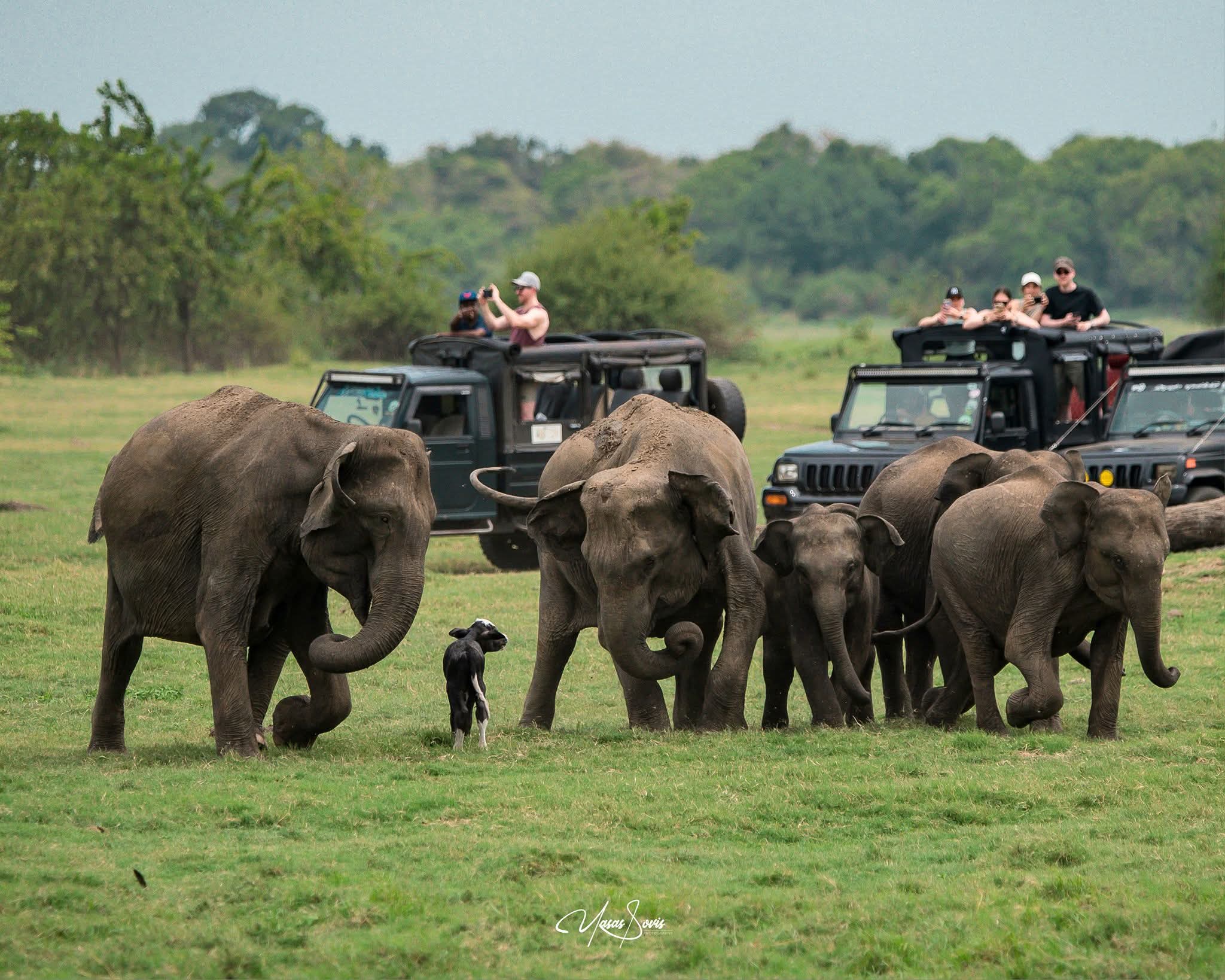
Safari jeeps typically accommodate 6 passengers plus driver and guide, with optimal viewing positions along the vehicle sides and rear where you can scan 180-270 degrees. Arrive early for safari departure to secure preferred seating—window seats along sides provide best wildlife viewing and photography angles, while middle positions offer acceptable viewing with some obstruction from other passengers.
Communicate photography priorities to your guide at safari start—serious photographers benefit from requesting positioning that accommodates longer lenses and stable shooting platforms. Most guides accommodate reasonable requests about spending more time at interesting sightings, approaching from optimal angles for lighting, or seeking specific species, though they must balance individual preferences with group interests on shared safaris.
During wildlife observations, avoid standing in moving vehicles except when guides indicate it's safe at complete stops. Sudden standing movements can startle animals and create safety risks if the vehicle hits unexpected bumps. Remain quiet and minimize sudden movements when near animals—loud voices and dramatic gestures disturb wildlife and reduce your group's viewing quality.
Photography Equipment and Techniques
Wildlife photography at Kaudulla requires appropriate equipment and understanding of safari shooting conditions. A telephoto zoom lens (70-200mm minimum, ideally 100-400mm or 150-600mm) provides versatility for both environmental shots showing landscape context and tighter portraits emphasizing individual animals or behavioral details. Wide-angle lenses (24-70mm) capture sweeping vistas of elephant gatherings against the ancient tank and dramatic sky.
Camera settings for safari photography should prioritize freezing motion—use shutter priority or manual mode maintaining minimum 1/500 second (faster for action like sparring or running elephants), continuous autofocus mode to track moving subjects, and continuous shooting mode capturing behavioral sequences. Early morning and late afternoon require higher ISO settings (800-3200) to maintain fast shutter speeds as light diminishes, accepting some image noise in exchange for sharp captures of the day's best wildlife activity and lighting.
Protect camera equipment from dust by keeping bodies and lenses in camera bags when not actively shooting, using UV or clear protective filters on lens front elements, and pointing cameras downward or covering with lens caps during particularly dusty vehicle movements. After safaris, carefully clean equipment using lens cleaning cloths and blower brushes before moisture and humidity cause dust to adhere permanently to sensors and optics.
Comfort and Safety Essentials
Create your safari comfort kit including wide-brimmed hat with secure strap for sun protection, high-SPF waterproof sunscreen reapplied every 2 hours, polarized sunglasses with retention strap, bandana or buff for dust protection during dry season, light long-sleeve shirt for sun protection, and light jacket for early morning coolness or afternoon wind. Bring 1-2 liters of water per person for hydration, plus energizing snacks if safari extends through typical meal times.
Binoculars (8x42 or 10x42 magnification) dramatically enhance wildlife viewing, allowing observation of distant animals and behavioral details invisible to naked eyes. Share binoculars among your group if not everyone has their own, or rent from some safari operators offering equipment.
Motion sickness affects some passengers on rough safari tracks—take preventive medication 30-60 minutes before departure if you're susceptible, sit near vehicle front where motion is least pronounced, and focus on distant horizons rather than nearby passing scenery.

Combining Kaudulla with Other Wildlife Destinations
Many visitors combine Kaudulla safaris with other nearby parks, creating comprehensive Sri Lankan wildlife experiences showcasing the country's remarkable biodiversity.
The Kaudulla-Minneriya Circuit
Minneriya National Park, located just 30 kilometers from Kaudulla, hosts its own spectacular elephant gathering phenomenon during overlapping months. The two parks share elephant populations that move between them based on water and food availability—when one park shows lower elephant numbers, the other typically hosts larger concentrations.
Experienced safari operators monitor both parks daily and can advise which location offers better viewing on specific dates. Some operators offer two-park safaris visiting both Kaudulla and Minneriya in single full-day excursions, maximizing elephant viewing opportunities. For multi-day stays in the area, consider scheduling safaris at both parks on different days, experiencing the distinct landscape characteristics and wildlife dynamics each offers.
Cultural Triangle Integration
Kaudulla's location within Sri Lanka's cultural triangle makes combining wildlife safaris with UNESCO World Heritage cultural sites remarkably convenient. Sigiriya Rock Fortress (30 minutes from Kaudulla) features the dramatic 200-meter tall rock outcrop with ancient palace ruins, spectacular frescoes, and panoramic views across surrounding countryside. Polonnaruwa Ancient City (40 minutes from Kaudulla) showcases extensive archaeological ruins including the famous Gal Vihara Buddha statues and royal palace complex. Dambulla Cave Temple (45 minutes from Kaudulla) houses five magnificent caves filled with Buddha statues and ancient murals.
Structure itineraries with early morning safaris followed by midday/afternoon cultural site visits when wildlife activity slows and heat makes outdoor activities less comfortable, or vice versa with afternoon safaris preceded by morning cultural exploration. This combination provides balanced experiences showcasing both Sri Lanka's natural heritage and cultural history within compact geographic areas.
Extended Wildlife Tours
For visitors passionate about Sri Lankan wildlife, extended tours combining multiple national parks create comprehensive experiences across the country's varied ecosystems. Udawalawe National Park (southern region) offers excellent elephant viewing year-round against dramatic open grassland landscapes, plus the unique Elephant Transit Home where orphaned calves are rehabilitated. Yala National Park (southeast coast) provides the world's highest leopard density offering substantially better leopard viewing probability than Kaudulla, plus incredible diversity of other species and coastal habitats. Bundala National Park features exceptional wetland birdlife including massive flamingo congregations.
Multi-park tours typically span 5-10 days covering these diverse destinations, arranged through reputable tour operators handling all logistics including transport, accommodation, safari bookings, and cultural site visits. These comprehensive packages appeal to serious wildlife enthusiasts wanting maximum exposure to Sri Lanka's extraordinary biodiversity.
Responsible Safari Practices and Conservation Support
Participating in Kaudulla safaris responsibly ensures your visit supports rather than harms the wildlife and ecosystems you're observing, while contributing meaningfully to conservation efforts protecting these endangered elephants and their habitat.
Wildlife Respect and Ethical Viewing
Always maintain safe, respectful distances from wildlife—never ask guides to approach animals too closely, particularly elephant herds with young calves who are most vulnerable and whose mothers are most protective. Respect guides' judgment about safe approach distances, as they understand elephant behavior and read warning signs invisible to untrained visitors.
Never feed wildlife under any circumstances, as this creates dangerous artificial associations between humans and food sources, disrupts natural foraging behaviors, and can introduce harmful foods into animal diets. Don't litter anywhere in the park—bring all trash back rather than discarding it where it might harm animals or degrade habitats.
Keep noise levels minimal during wildlife observations, avoiding shouting or loud conversations that disturb animals and reduce viewing quality for others. Never use flash photography, particularly around elephants, as this causes stress and may provoke dangerous defensive reactions.
Supporting Conservation Through Tourism
Your safari participation contributes to elephant conservation through multiple mechanisms. Park entrance fees directly fund Sri Lanka's Department of Wildlife Conservation operations including ranger patrols preventing poaching, habitat maintenance and restoration, research programs studying elephant populations and behavior, and education initiatives building local community support for conservation.
Safari operator revenues create economic incentives for protecting wildlife habitats—when local communities benefit financially from wildlife tourism through employment and business opportunities, tolerance for occasional human-elephant conflict incidents increases and support for conservation measures strengthens. This economic value provides powerful arguments for maintaining protected areas rather than converting them to agriculture or other development.
Choose accommodations and tour operators demonstrating genuine conservation commitments through supporting local conservation organizations, implementing sustainable tourism practices minimizing environmental impacts, employing local community members, and educating guests about conservation challenges and solutions.
Beyond Your Visit: Lasting Conservation Support
Extend your conservation impact beyond your safari experience through donations to reputable Sri Lankan conservation organizations working specifically on elephant protection and habitat preservation. Research organizations like the Wilderness and Wildlife Conservation Trust, Centre for Conservation and Research, and Biodiversity Conservation Trust conduct critical research, protect elephant corridors, and mitigate human-elephant conflict.
Share your Kaudulla experiences thoughtfully through social media and conversations with others, combining stunning wildlife images with educational context about conservation challenges facing Asian elephants—habitat loss, human-wildlife conflict, and climate change impacts on water resources. Raising awareness among your networks creates broader support for elephant conservation extending your positive impact far beyond your individual visit.
The ultimate Kaudulla National Park safari combines spectacular wildlife viewing with meaningful connection to conservation, creating experiences that benefit both visitors seeking authentic nature encounters and the endangered elephants and ecosystems depending on continued protection. Plan thoughtfully, behave responsibly, and prepare for an adventure that reveals why Sri Lanka ranks among the world's most important destinations for observing Asian elephants in their natural habitat—where ancient reservoirs built by long-vanished civilizations continue supporting wildlife communities in ways their creators never imagined, creating one of nature's most extraordinary spectacles visible anywhere on Earth today.