Kaudulla National Park Elephant Gathering: Complete 2026 Safari Guide
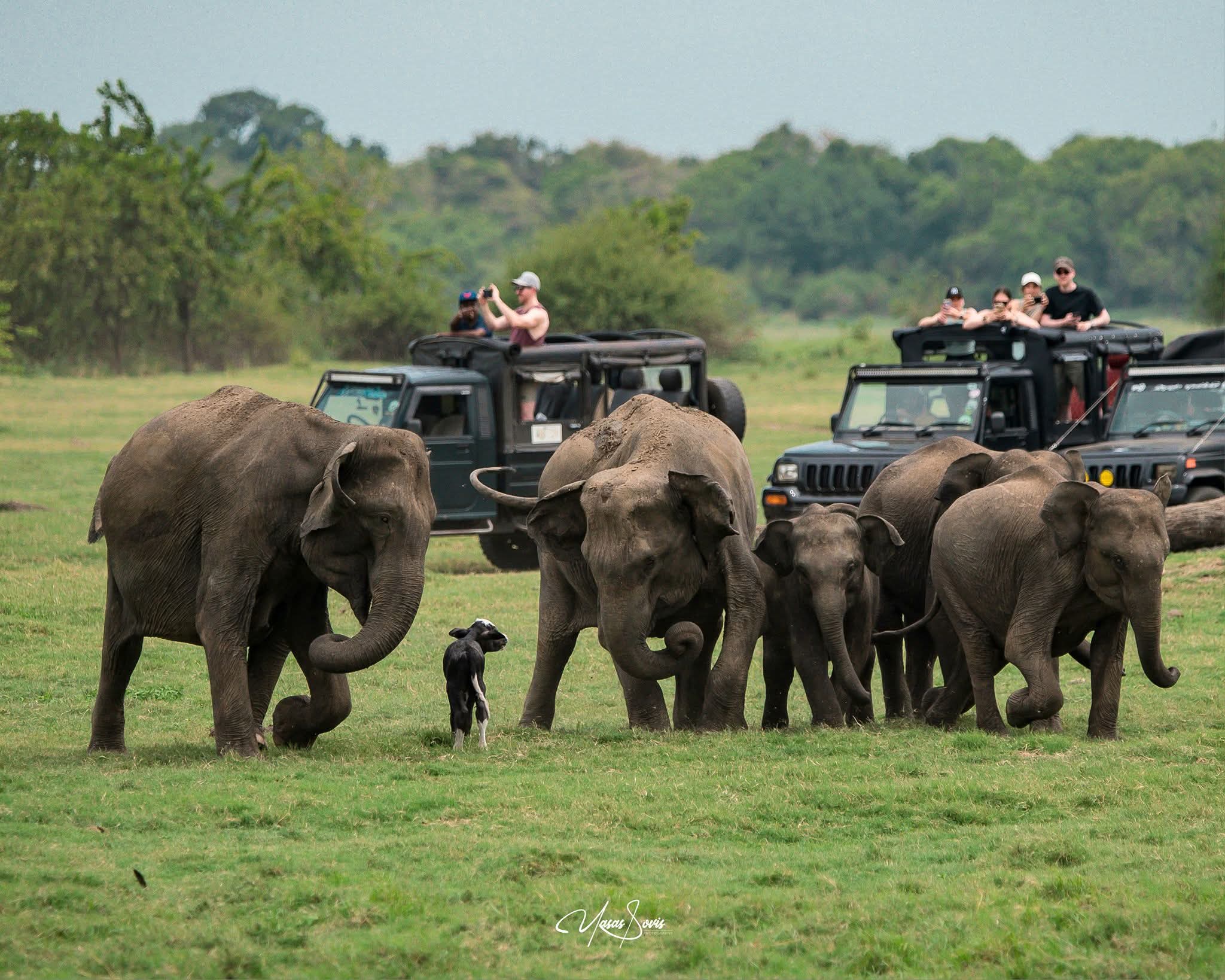
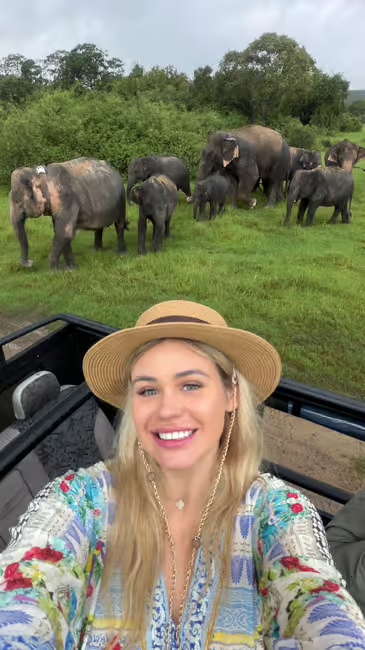
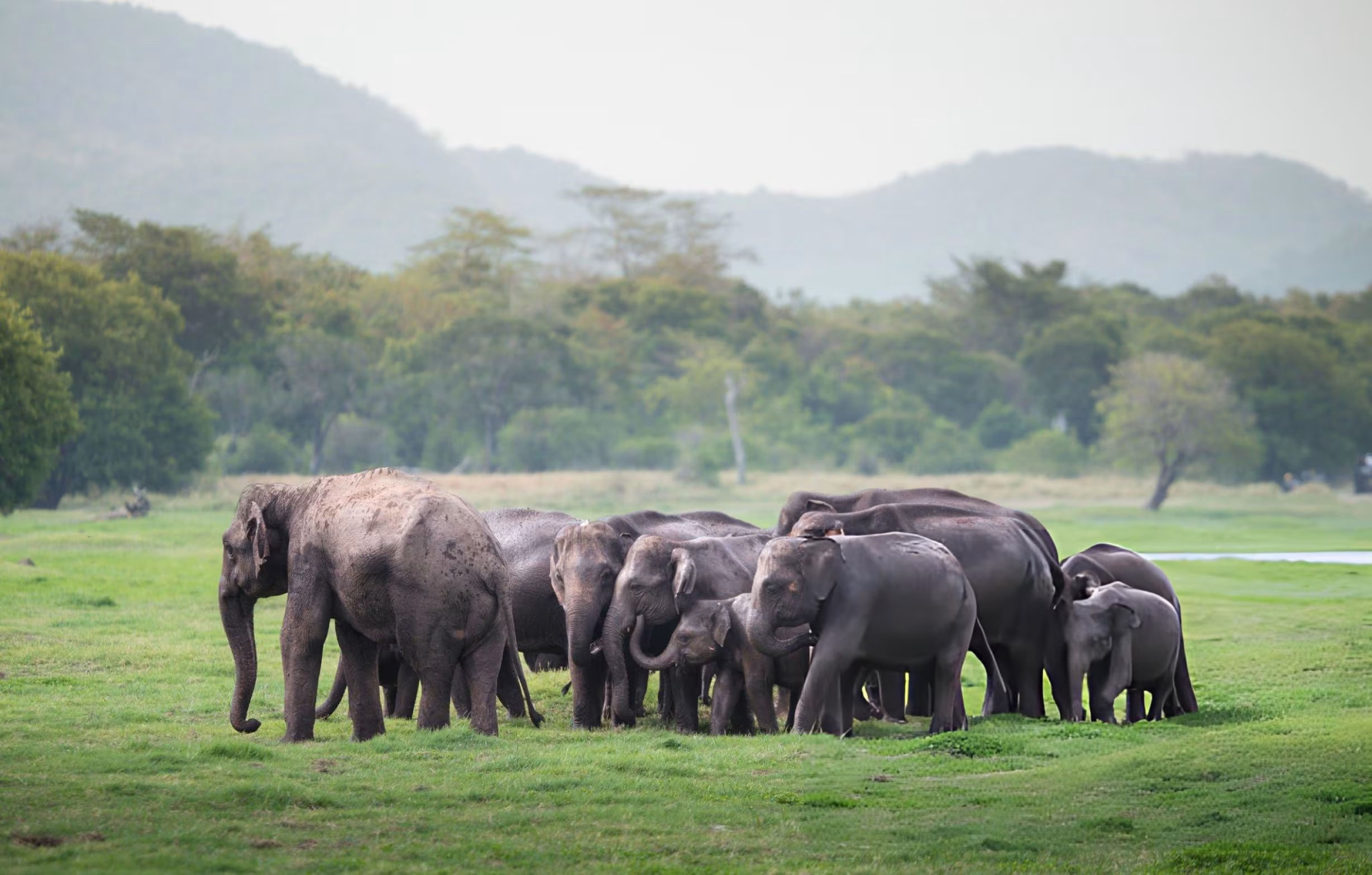
The Kaudulla National Park elephant gathering ranks among the world's most spectacular wildlife phenomena, drawing photographers, nature enthusiasts, and safari lovers from across the globe. Located in Sri Lanka's North Central Province, Kaudulla hosts one of Asia's largest seasonal congregations of wild Asian elephants, with herds numbering 200 to 300+ elephants converging around the ancient Kaudulla Tank during peak months. This extraordinary natural event, often called "The Gathering," represents a rare opportunity to witness dozens of elephant families—mothers with playful calves, protective matriarchs, massive bulls, and entire extended family groups—interacting, bathing, feeding, and socializing in their natural habitat. Unlike scattered elephant sightings common in many parks, Kaudulla's gathering creates an unparalleled wildlife spectacle where you can observe complex elephant social behaviors, dramatic dominance displays, tender mother-calf interactions, and the sheer power of these magnificent creatures all in one incredible safari experience. Understanding when and how to witness this phenomenon ensures you experience the Kaudulla elephant gathering at its absolute peak, creating memories and photographs that will last a lifetime while contributing to the conservation of these endangered Asian elephants.
What Makes Kaudulla Elephant Gathering So Special
The Kaudulla National Park elephant gathering isn't just another wildlife viewing opportunity—it's a centuries-old natural phenomenon driven by Sri Lanka's seasonal climate patterns and an ancient water management system. The massive Kaudulla Tank, a 6,900-acre reservoir built by King Mahasen in the 3rd century AD, serves as the gathering's epicenter. During Sri Lanka's dry season, water sources throughout the surrounding forests and grasslands gradually diminish, forcing elephants to migrate toward the tank's reliable water supply and the nutritious grass that flourishes along its shoreline. This concentration creates one of the world's largest gatherings of Asian elephants in a single location—a sight increasingly rare as wild elephant populations decline across Asia.
What makes Kaudulla's gathering particularly special compared to other elephant viewing destinations is the intimate setting and natural behavior on display. Unlike African elephant gatherings in vast open savannas, Kaudulla's relatively compact viewing areas allow visitors to observe elephants at remarkably close range (while maintaining safe distances) from specially designated safari routes. The shallow tank edges and surrounding grasslands create a natural amphitheater where multiple generations of elephants interact, revealing the complex social structures that govern elephant society. You'll witness protective mothers guiding wobbly newborn calves through their first bathing experiences, young males sparring playfully to establish dominance, wise matriarchs leading family groups to choice feeding areas, and massive tusker bulls asserting their authority over smaller males.
The Kaudulla elephant gathering also provides unprecedented opportunities to observe elephant communication and behavior. Watch as matriarchs issue low-frequency rumbles inaudible to human ears but instantly understood by distant family members. Observe complex trunk gestures used for greeting, reassurance, and disciplining youngsters. Witness dust-bathing rituals that protect elephant skin from sun and parasites, and mud-wallowing sessions that regulate body temperature and provide important minerals. During peak gathering periods, the sheer density of elephants creates continuous behavioral interactions—from minor disputes over prime feeding spots to spectacular dominance displays between competing bulls—offering wildlife enthusiasts and researchers alike invaluable insights into elephant society.
Beyond the elephants themselves, the Kaudulla gathering attracts a remarkable diversity of wildlife species that follow the elephants or share their habitat. Water birds including painted storks, spot-billed pelicans, and lesser adjutants congregate in massive colonies, feeding on fish disturbed by bathing elephants. Large crocodiles bask on exposed mudflats, occasionally venturing into the water alongside oblivious elephants. Spotted deer and sambar deer graze peacefully near elephant herds, benefiting from the safety of numbers and the elephants' keen awareness of predators. This ecosystem complexity makes every Kaudulla safari a multi-dimensional wildlife experience extending far beyond elephant viewing alone.
Understanding the Kaudulla Elephant Gathering Season
The Kaudulla elephant gathering season follows a predictable annual pattern tied directly to Sri Lanka's monsoon cycles, though exact timing and intensity vary somewhat year to year based on rainfall patterns. Understanding these seasonal dynamics helps you plan your visit for maximum elephant viewing success. The gathering phenomenon typically unfolds across several months, with early season, peak season, and late season periods each offering distinct experiences.
Early Gathering Season (May-June): As the dry season begins and peripheral water sources start diminishing, small elephant groups begin returning to Kaudulla. During May, you might encounter 30-70 elephants in scattered family groups around the tank. By June, numbers steadily increase to 80-150 elephants as the dry season intensifies. These early season months offer advantages for visitors seeking more intimate elephant encounters without peak season crowds. Elephants are more spread out along the tank's extensive shoreline, allowing for focused observation of individual family groups. Photography conditions during early season are excellent with lush greenery still present from previous monsoon rains, creating beautiful contrasts between verdant vegetation and the growing elephant congregation.
Peak Gathering Season (July-September): These three months represent the absolute pinnacle of the Kaudulla elephant gathering when numbers reach their staggering maximum. July typically sees 150-200+ elephants converging on the tank as it becomes one of the few remaining substantial water sources in the region. August and September often produce the largest gatherings with 200-300+ elephants congregating in relatively concentrated areas, creating jaw-dropping wildlife spectacles. During peak season, entire sections of the tank shoreline disappear beneath a living mass of gray bodies—calves nursing, teenagers mock-fighting, adults feeding, and bulls bathing in the shallows. The sheer density of elephants during these months creates constant activity and interaction, with new behavioral observations happening every moment. Peak season also coincides with school holidays and international tourist high season, meaning more safari jeeps will be present, though Kaudulla's large size and multiple viewing routes generally prevent overcrowding issues common in smaller parks.
Late Gathering Season (September-October): As the first monsoon rains arrive in October, the elephant gathering begins gradually dispersing. September represents a transitional month when numbers remain high (150-250 elephants) but family groups start fragmenting as new water sources emerge in surrounding forests. By mid-to-late October, elephant numbers decline to 50-100 as the monsoon fully establishes, though substantial groups remain near the tank. Late season offers unique advantages including dramatically reduced visitor numbers, lower accommodation rates, and opportunities to observe elephants against dramatic monsoon storm clouds. The returning greenery transforms the landscape, creating lush backdrops for photography that contrast sharply with the golden-brown tones of peak dry season.
Off-Season Dynamics (November-April): While the spectacular mass gathering disperses after October, Kaudulla never becomes completely devoid of elephants. Throughout the off-season, resident elephants and smaller family groups (10-50 individuals) remain in the park, providing year-round elephant viewing opportunities. Off-season safaris offer dramatically different experiences—more intimate encounters with smaller groups, exceptional birdwatching as migratory species arrive, and peaceful wilderness experiences with minimal tourist presence. For serious wildlife photographers seeking unique images beyond typical gathering shots, off-season visits can yield remarkable results.
Best Months for Kaudulla Elephant Gathering
While understanding the general gathering season helps with broad planning, knowing the absolute best months for Kaudulla elephant gathering allows you to optimize your specific travel dates for maximum wildlife viewing success. Based on decades of ecological data and safari guide experiences, here's a detailed month-by-month breakdown:
July - The Gathering Begins in Earnest: July marks the transition from early season elephant trickles to genuine gathering momentum. Elephant numbers surge from 100-150 in early July to 150-200+ by month's end as the dry season fully establishes. Weather conditions are excellent with virtually no rainfall, warm temperatures (30-35°C), and clear skies perfect for photography. July offers an excellent balance between substantial elephant numbers and moderate tourist crowds—you'll see impressive gatherings without the peak season intensity of August. For families, July's school holiday timing makes it convenient, though advance booking becomes essential. Wildlife beyond elephants flourishes in July with active bird colonies, visible crocodiles on mudflats, and frequent spotted deer herds grazing near elephants.
August - Peak Elephant Gathering Spectacle: August represents the absolute zenith of the Kaudulla elephant gathering experience. Elephant numbers reach their annual maximum with regular sightings of 200-250+ elephants and occasional days producing gatherings exceeding 300 individuals. The sheer density of elephants during August creates non-stop behavioral observations—dominance displays between competing bulls, elaborate bathing rituals involving entire family groups, and complex social interactions between multiple elephant clans. August's photography opportunities are unparalleled with massive herds creating compositional possibilities impossible during other months. However, August is also Kaudulla's busiest month for tourism, meaning more safari jeeps compete for prime viewing positions. Book accommodations and safari services at least 3-4 weeks in advance for August visits, particularly for weekends. Despite the crowds, August's guaranteed elephant spectacle makes it the top choice for first-time visitors who want absolute certainty of witnessing the gathering at its most impressive.
September - Extended Gathering Excellence: September extends August's elephant abundance into a fourth magnificent month while offering slight advantages in reduced tourist numbers. Early to mid-September maintains 180-250 elephant concentrations comparable to August, while late September sees gradual declines as the first sporadic monsoon showers arrive. September's weather remains predominantly dry and sunny with only occasional afternoon thunderstorms late in the month—these brief showers often create dramatic atmospheric conditions perfect for moody wildlife photography. For visitors seeking the peak gathering experience with slightly less competition for viewing spots, September provides an ideal sweet spot. The month also offers more booking flexibility than August with somewhat easier accommodation availability and occasionally better rates.
June - Early Gathering Value: June serves as the underrated alternative for value-conscious travelers willing to accept slightly smaller elephant numbers in exchange for significant advantages. Elephant gatherings of 80-150 individuals provide still-impressive viewing opportunities while tourist numbers remain moderate compared to July-September. June's early dry season weather delivers excellent safari conditions with minimal rainfall. Accommodation rates are noticeably lower than peak months, and safari bookings require less advance planning. For photographers, June's landscape retains more green vegetation from recent monsoons, creating more varied color palettes than peak dry season's golden-brown tones. June also represents the best month for combining elephant viewing with birdwatching, as resident species remain highly active before the most intense dry season heat arrives.
October - Monsoon Transition Gatherings: October presents a wildcard option for adventurous travelers comfortable with variable weather and reduced elephant numbers. Early October maintains 100-180 elephants before monsoon dispersion fully begins, while late October sees numbers decline to 50-100. However, October's unique appeal lies in dramatically reduced tourist presence, near-exclusive safari experiences, significantly lower accommodation costs, and spectacular atmospheric conditions as monsoon storm clouds create dramatic backdrops. Serious wildlife photographers prize October for unique imagery impossible during conventional dry season—elephants against dark storm clouds, rain-soaked landscapes, and dramatic lighting during weather breaks. If your priority is intimate wilderness experiences over guaranteed maximum elephant numbers, October delivers exceptional value.
Where Exactly Does the Kaudulla Elephant Gathering Happen
Understanding the specific locations within Kaudulla National Park where elephant gatherings concentrate helps you communicate with safari guides and optimize your viewing experience. The gathering doesn't occur uniformly throughout the park but instead focuses on several key areas based on water depth, grass quality, and traditional elephant migration patterns.
The Main Tank Shoreline - Primary Gathering Zone: The majority of elephant activity during gathering season occurs along the extensive shoreline of the Kaudulla Tank itself. The tank's shallow edges expose nutritious grass beds as water levels drop during dry season, creating an irresistible food source for elephants. The northwestern shoreline, particularly the area near the main park entrance road, hosts the largest and most accessible elephant concentrations. Safari jeeps can approach these shoreline areas via designated routes, providing unobstructed views across the open grassland where elephants feed, rest, and socialize. The tank's scale means different sections of shoreline may host separate elephant groups, allowing safaris to move between locations if one area shows less activity.
The Central Grasslands - Secondary Feeding Areas: Beyond the immediate tank shoreline, extensive grassland plains stretch inland, interspersed with scattered trees and seasonal wetlands. These central grasslands serve as important feeding zones when shoreline areas become overgrazed or when elephants seek shade during midday heat. Bachelor bull elephants particularly favor these areas, establishing territories some distance from the family group concentrations near water. Safari routes crisscross these grasslands, allowing guides to track elephant movements and position vehicles for optimal viewing. The grasslands also provide excellent opportunities for observing elephants against dramatic landscape backdrops—lone tuskers silhouetted against open horizons or small bull groups sparring beneath ancient trees.
The Forest Edge - Shade and Resting Areas: Along the park's periphery where grasslands transition to denser forest, elephants congregate during the hottest midday hours seeking shade beneath larger trees. These forest edge zones reveal different elephant behaviors including resting periods when family groups stand motionless conserving energy, dust-bathing rituals using dry soil from beneath trees, and bark-stripping feeding where elephants consume tree bark for minerals and fiber. Morning and late afternoon safaris often encounter elephants moving between forest shade and open feeding areas, creating opportunities to observe the deliberate, purposeful movement of family groups as they follow ancient paths and respond to matriarchal direction.
Seasonal Wetlands and Mud Wallows: During peak dry season, certain low-lying areas within the park retain mud and moisture even as water becomes scarce, creating popular wallowing sites where elephants engage in essential temperature regulation and skin care behaviors. These mud wallows attract continuous elephant traffic throughout the day, offering predictable viewing opportunities. Watching elephants coat themselves in mud, then dust their bodies with dry soil, provides insights into how these massive mammals manage Sri Lanka's intense tropical heat. Safari guides know these traditional wallowing locations and incorporate them into routes based on time of day and elephant movement patterns.
Planning Your Kaudulla Elephant Gathering Safari
Successfully experiencing the Kaudulla elephant gathering requires more than just showing up during the right month—careful planning regarding timing, booking, expectations, and preparation maximizes your safari experience.
Choosing Your Safari Time: Kaudulla offers morning safaris (typically 6:00 AM - 9:00 AM) and afternoon safaris (typically 3:00 PM - 6:00 PM), each with distinct advantages for elephant viewing. Morning safaris provide the coolest temperatures making elephants more active in feeding and socializing behaviors. The soft golden morning light creates ideal photographic conditions with warm tones and long shadows adding depth to images. Elephants often gather near the tank at dawn to drink after nighttime feeding in surrounding forests, creating opportunities to observe large groups converging on water. However, morning safaris require very early hotel departures (5:00-5:30 AM) which some travelers find challenging, particularly families with young children.
Afternoon safaris deliver different but equally compelling experiences. As afternoon temperatures cool from midday peaks, elephants emerge from forest shade and move toward the tank for evening bathing and drinking—often the day's most spectacular elephant activity. The famous golden hour (approximately 5:00 PM - 6:00 PM) provides magical lighting conditions as the sun descends toward the horizon, bathing elephants in warm light perfect for dramatic photography. Sunset safaris allow you to witness elephants silhouetted against colorful evening skies, creating iconic images. The primary afternoon disadvantage is competing with more tourists as afternoon safari timing accommodates day-visitors from nearby cultural sites like Sigiriya or Polonnaruwa, potentially meaning more safari jeeps at popular viewing spots.
Full-day safaris (6:00 AM - 6:00 PM) are occasionally available through specialized operators during peak gathering season. These extended safaris allow you to observe the complete daily cycle of elephant behavior—morning emergence from forests, midday resting and shade-seeking, afternoon bathing and social interactions, and evening dispersal. Full-day safaris work best for serious wildlife photographers who want maximum time for composition and lighting experimentation, or for dedicated elephant enthusiasts who want comprehensive behavioral observations. However, they require significant physical endurance given the heat, dust, and continuous sun exposure.
Booking Your Safari: During peak elephant gathering months (July-September), advance booking is essential. Contact safari operators, tour companies, or your accommodation provider at least 2-4 weeks before your desired safari date, particularly for weekends, holidays, or if you have specific time preferences. Off-peak months (May-June, October) allow more flexibility with bookings often possible just days in advance or even same-day during quiet periods. When booking, specify any special requirements—photography-focused safaris allowing more time for composition, private jeeps for exclusive experiences, or multi-language guide needs.
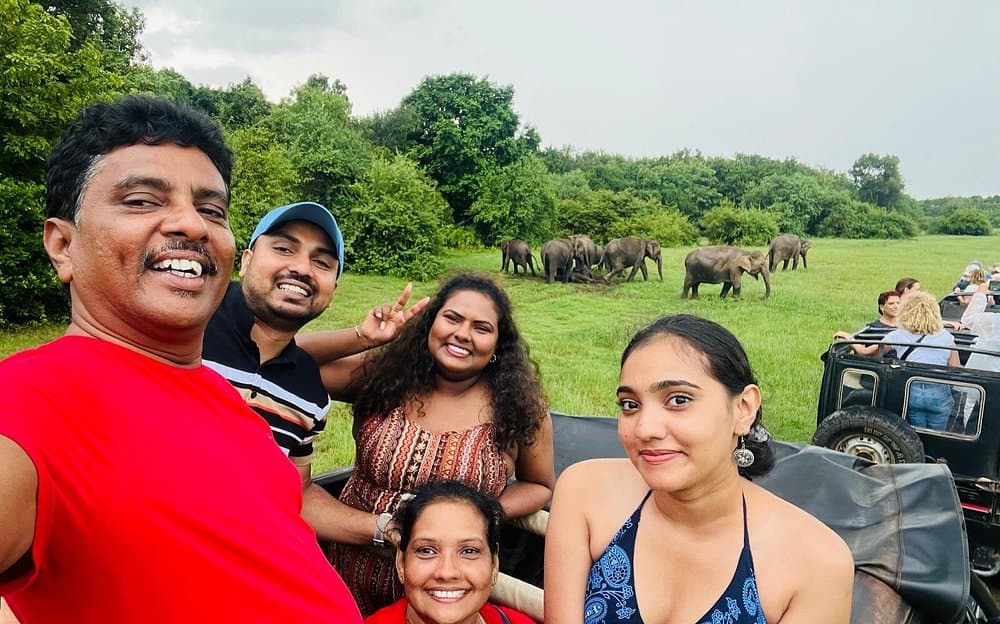
Safari Vehicle Selection: Standard safari experiences use shared jeeps accommodating 5-6 passengers plus driver and guide. This provides cost-effective access to the elephant gathering while allowing interaction with fellow wildlife enthusiasts. However, shared jeeps mean compromising on viewing positions, photography angles, and timing—you can't linger indefinitely at a special sighting when other passengers want to move on. Private jeep hire costs more but delivers tremendous advantages: complete control over safari timing and route, ability to remain at special sightings as long as desired, superior photography opportunities with window seat guarantees, and personalized attention from your guide. For serious photographers or families wanting flexible experiences, private jeep investment proves worthwhile.

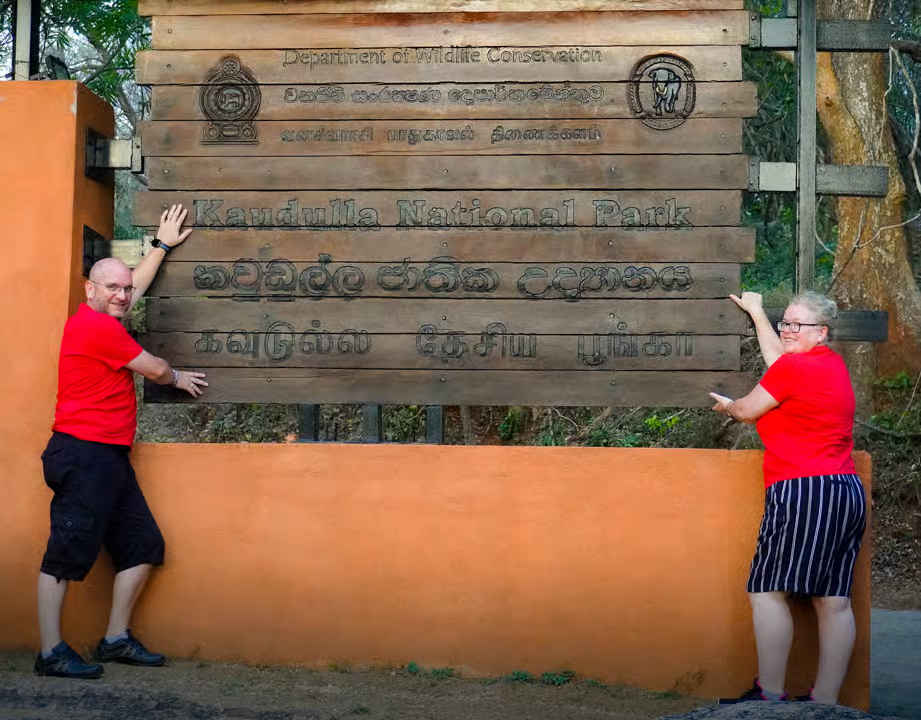
Understanding Safari Costs: Kaudulla elephant gathering safari costs comprise several components. Park entrance fees set by Sri Lanka's Department of Wildlife Conservation run approximately $15-25 USD per adult foreign visitor with lower rates for children and substantially reduced fees for Sri Lankan nationals. Safari jeep hire ranges from $35-60 USD per vehicle depending on season, time of day (morning safaris sometimes cost slightly more), and operator. Experienced guide services may be included in jeep hire or charged separately ($10-20 USD). Total costs for a standard half-day safari typically range from $60-100 USD per person when sharing a vehicle, or $100-180 USD for private jeep experiences. These costs represent excellent value considering the extraordinary wildlife spectacle, particularly when compared to African safari costs.
Essential Tips for the Best Kaudulla Elephant Gathering Experience
Maximizing your Kaudulla National Park elephant gathering experience involves understanding not just when and where to go, but how to conduct yourself, what to bring, and how to make the most of your time observing these magnificent creatures.
Respecting Elephant Safety and Behavior: Despite their gentle appearance, Asian elephants are powerful wild animals capable of dangerous behavior when threatened or stressed. Always remain inside your safari vehicle unless your guide explicitly indicates it's safe to exit in designated areas far from elephants. Never ask your driver to approach elephants too closely—responsible guides maintain safe distances (typically 20-30 meters minimum) that allow comfortable viewing without disturbing natural behaviors. Pay attention to elephant body language: flapping ears, raised trunks, and head shaking often signal discomfort or warning, indicating your vehicle should move back. Never position your jeep between an elephant and water source, between mother and calf, or blocking elephant movement paths—these scenarios can provoke dangerous defensive reactions.
Photography Equipment and Techniques: Photographing the Kaudulla elephant gathering requires specific equipment and approaches. A telephoto zoom lens (70-200mm or 100-400mm) provides versatility for both tight portraits and wider environmental shots showing elephant groups against landscape backdrops. Bring spare batteries as extensive shooting drains power quickly, and multiple high-capacity memory cards since you'll capture hundreds or thousands of images during a single safari. Use continuous shooting mode to capture elephant movement and interactions—behaviors like sparring, dust-bathing, and calf nursing happen quickly and unpredictably. Experiment with different compositions: tight elephant portraits emphasizing eye detail and wrinkled skin texture, environmental shots showing gatherings against tank and forest backdrops, and silhouettes during golden hour leveraging dramatic backlighting.
Managing Environmental Conditions: Kaudulla safaris involve significant dust exposure, intense sun, and occasional intense heat requiring proper preparation. Wear neutral-colored clothing (khaki, olive, brown) that blends with the environment—avoid bright colors like red or white that might disturb wildlife or attract insects. Bring a hat, sunglasses, and high-SPF sunscreen for sun protection during extended periods in open jeeps. Pack a light long-sleeve shirt for sun protection and evening temperature drops. Bring a bandana or buff to cover your mouth and nose during particularly dusty sections—dry season conditions create substantial dust clouds when jeeps drive across arid grasslands. Keep camera equipment protected from dust using lens filters and by keeping cameras in bags when not actively shooting.
Enhancing Your Elephant Understanding: While simply observing the elephant gathering provides amazing experiences, deeper knowledge of elephant behavior, social structures, and conservation challenges enriches your appreciation. Ask your guide to explain elephant family relationships within groups you observe—identifying the matriarch, understanding age hierarchies, and recognizing different family clans. Learn to identify individual elephants by distinctive features like tusk shape, ear tears, tail length, and body scars—many guides can recognize specific elephants they've observed for years. Inquire about the conservation challenges facing Kaudulla's elephants including human-elephant conflict in surrounding villages, habitat loss from agricultural expansion, and climate change impacts on water availability. Understanding these broader contexts transforms your safari from pure entertainment into a meaningful connection with wildlife conservation.
Combining Kaudulla with Other Experiences: The area surrounding Kaudulla National Park offers numerous complementary experiences that create a comprehensive Sri Lankan adventure. The nearby Minneriya National Park (30 minutes away) hosts its own elephant gathering phenomenon during overlapping months—elephants move between both parks based on water and food availability, so visiting both parks maximizes your chances of spectacular gatherings. During peak season, some operators offer two-park safaris visiting both Kaudulla and Minneriya in a single full-day excursion. UNESCO World Heritage cultural sites including Sigiriya Rock Fortress (30 minutes from Kaudulla) and Polonnaruwa Ancient City (40 minutes) allow you to combine wildlife safaris with Sri Lanka's incredible historical heritage. Consider structuring your itinerary with early morning safaris followed by afternoon cultural site visits, or vice versa, making efficient use of limited vacation time while experiencing diverse aspects of Sri Lankan culture and nature.
Kaudulla Elephant Gathering Photography Guide
Capturing stunning images of the Kaudulla elephant gathering requires understanding not just camera technique but also elephant behavior, lighting conditions, and compositional approaches that transform ordinary snapshots into powerful wildlife imagery.
Essential Camera Settings: For sharp elephant photographs, use shutter priority or manual mode maintaining minimum shutter speeds of 1/500 second or faster to freeze elephant movement—faster speeds (1/1000 - 1/2000 second) prove necessary for action shots like sparring or running. Use continuous autofocus mode (AI Servo on Canon, AF-C on Nikon) to track moving elephants and continuous shooting mode to capture behavioral sequences. For most situations, aperture settings of f/5.6 to f/8 provide sufficient depth of field to keep entire elephants sharp while maintaining reasonably fast shutter speeds. In harsh midday light, lower your ISO to 200-400 to avoid overexposure, while early morning and late afternoon may require ISO 800-1600 to maintain fast shutter speeds as light diminishes.
Composition Techniques for Elephant Gatherings: Move beyond center-framed elephant portraits by applying compositional principles that create more dynamic images. Use the rule of thirds positioning elephants off-center with space in the direction they're facing or moving. Include environmental context showing elephants against the expansive tank, dramatic sky, or forest backdrop—these environmental portraits convey the scale of the gathering and the beauty of Kaudulla's landscape. Seek interesting foreground elements like grasslands or water reflections that add depth and dimension to compositions. During large gatherings, experiment with different perspectives: isolate small family groups for intimate portraits, capture long rows of elephants along the shoreline emphasizing numbers, or shoot tight on behavioral interactions between specific individuals. Look for natural frames like tree branches or other elephants that draw attention to your main subject.
Lighting Considerations: The quality of light dramatically impacts elephant photography success. Golden hour (the hour after sunrise and hour before sunset) provides the most beautiful natural light with warm color temperatures that enhance elephants' gray tones and create long shadows adding depth and dimension. Side lighting during golden hour reveals skin texture and emphasizes the three-dimensional form of elephant bodies. Harsh midday light creates problematic high-contrast situations with deep shadows and blown highlights—if shooting midday, look for elephants in shade or convert images to black and white in post-processing where high contrast becomes an asset. Overcast conditions during monsoon season provide soft, even lighting ideal for capturing detail without harsh shadows, though the flat light requires careful post-processing to restore dimensionality.
Behavioral Photography Opportunities: The Kaudulla elephant gathering provides extraordinary opportunities to photograph diverse elephant behaviors. Watch for tender mother-calf interactions including nursing, trunk caresses, and protective positioning—these emotional moments create powerful storytelling images. Capture the drama of sparring young bulls with tangled trunks and clashing heads, documenting the social learning essential to elephant society. Photograph bathing and dust-bathing sequences showing elephants spraying water or tossing dust over their backs—these behaviors demonstrate elephants' intelligence and self-care practices. Document feeding behaviors with elephants using their trunks to grasp and tear grass or strip bark from trees. For action photography, watch for running elephants (usually youngsters playing) and be ready with fast shutter speeds and continuous autofocus to capture sharp images of these massive animals in motion.
Technical Challenges and Solutions: Dust poses the most significant technical challenge during Kaudulla safaris, potentially entering camera bodies during lens changes and coating front lens elements degrading image quality. Minimize lens changes by using versatile zoom lenses covering wide focal length ranges. When changing lenses is necessary, turn off the camera, hold the body facing downward, work quickly, and change lenses inside a bag or beneath a jacket. Clean lens front elements regularly using lens cleaning cloths or blower brushes—wait for breaks in dust clouds rather than constantly wiping during active driving. Protect equipment during transport using padded camera bags and covering gear with rain covers during particularly dusty conditions. After your safari, thoroughly clean equipment using sensor cleaning kits or professional cleaning services before moisture and humidity cause dust to adhere permanently to sensitive surfaces.
Conservation and the Future of Kaudulla's Elephant Gathering
Understanding the conservation context surrounding the Kaudulla elephant gathering transforms your visit from simple tourism into participation in a vital conservation story with significant implications for Asian elephant survival.
The Importance of Kaudulla's Elephant Population: Kaudulla National Park protects a crucial elephant corridor connecting several protected areas across Sri Lanka's North Central Province. The park's elephant population (approximately 200-250 resident elephants supplemented by seasonal visitors) represents a significant percentage of Sri Lanka's total wild elephant population (estimated at 5,000-6,000 individuals). Unlike many fragmented elephant populations isolated in small reserves, Kaudulla's elephants maintain connectivity with populations in Minneriya, Hurulu, Wasgamuwa, and other protected areas through forest corridors allowing genetic diversity through breeding between populations. This connectivity proves essential for long-term elephant population viability, preventing inbreeding problems that plague isolated populations.
Human-Elephant Conflict Challenges: The villages surrounding Kaudulla National Park face ongoing human-elephant conflict as elephants leave protected areas to raid agricultural crops during nighttime. Farmers suffer significant economic losses when elephants consume or destroy rice paddies, vegetable gardens, and fruit orchards—losses that can devastate subsistence farming families. In response, some villagers resort to harmful deterrent methods including electric fences (sometimes illegally electrified to lethal levels), firecrackers, and occasionally poison or gunfire resulting in elephant deaths. This conflict cycle threatens both elephant survival and human livelihoods, requiring complex solutions balancing conservation needs with legitimate human welfare concerns. Tourism revenue from elephant gathering safaris provides critical economic incentives for communities to tolerate elephants and support conservation efforts, demonstrating wildlife's value beyond agricultural damage costs.
Climate Change and Water Resources: The Kaudulla elephant gathering depends fundamentally on the ancient tank system providing dry season water. Climate change threatens this delicate balance through altered monsoon patterns, extended droughts, and unpredictable rainfall affecting tank water levels. If climate shifts cause the Kaudulla Tank to retain less water or dry completely during critical gathering months, elephants would lose this vital water source forcing them into areas with higher human populations and intensifying conflict. Conservation organizations and government agencies monitor these climate impacts closely while developing adaptation strategies including habitat restoration, corridor strengthening, and water resource management.
Responsible Tourism's Role: Your participation in Kaudulla National Park safaris contributes directly to elephant conservation through multiple mechanisms. Park entrance fees fund Department of Wildlife Conservation operations including ranger patrols preventing poaching, habitat maintenance, and research programs. Safari operator revenues support local employment creating economic alternatives to agriculture that might otherwise expand into elephant habitats. Accommodations near the park employ local community members and source supplies from nearby villages, distributing tourism economic benefits widely. This economic value provides powerful incentives for elephant conservation—when communities benefit financially from living near elephants, tolerance for conflict incidents increases and support for conservation measures strengthens.
Supporting Conservation Beyond Your Visit: Visitors passionate about elephant conservation can extend their impact beyond their safari experience. Consider donations to Sri Lankan conservation organizations including the Wilderness and Wildlife Conservation Trust, Centre for Conservation and Research, or Biodiversity Conservation Trust which work specifically on elephant corridor protection, human-elephant conflict mitigation, and habitat restoration. Share your elephant gathering experiences and photographs through social media with educational context about conservation challenges—raising awareness among your networks creates broader support for Asian elephant protection. Choose accommodations and tour operators committed to sustainable tourism practices and conservation support—many lodges near Kaudulla contribute portions of profits to local conservation initiatives or community development projects reducing human-elephant conflict.
Best Accommodations for Kaudulla Elephant Gathering Safaris
Strategic accommodation selection enhances your elephant gathering safari experience by minimizing travel time to Kaudulla, providing comfortable relaxation between safaris, and offering complementary nature experiences.
Habarana - Safari Base Hub: The town of Habarana, located just 20 minutes from Kaudulla's main entrance, serves as the most popular base for elephant gathering safaris. This convenient location allows easy early morning safari departures without predawn hotel checkouts, and quick returns from evening safaris. Habarana offers accommodation diversity from budget guesthouses ($25-40 USD per night) providing basic comfort, to mid-range hotels ($60-100 USD) with pools and good dining, to luxury resorts ($150-300 USD) offering premium amenities. Most Habarana properties have established relationships with safari operators allowing convenient booking through hotel reception. The town itself provides restaurants, banks, and shops for safari essentials. Recommended properties include Cinnamon Lodge Habarana (luxury eco-resort with extensive grounds hosting wildlife), Chaaya Village Habarana (mid-range resort with good pools and family-friendly atmosphere), and Habarana Village by Cinnamon (budget-friendly but comfortable with pool and decent dining).
Polonnaruwa - Cultural Heritage Combo: Located 40 minutes from Kaudulla, Polonnaruwa appeals to travelers combining elephant safaris with cultural exploration of the UNESCO World Heritage ancient city. This option suits multi-day itineraries where you dedicate one day to Kaudulla safaris and another to exploring Polonnaruwa's incredible archaeological sites including the Gal Vihara Buddha statues, Parakrama Samudra reservoir, and royal palace complex. Accommodation options range from simple guesthouses near the ancient city entrance to comfortable hotels with modern amenities. The longer distance to Kaudulla requires earlier morning departures but allows avoiding the Habarana tourist concentration.
Eco-Lodges and Wilderness Camps: For travelers seeking immersive nature experiences extending beyond safari hours, several eco-lodges and wilderness camps surrounding Kaudulla provide unique alternatives to standard hotels. Properties like Jetwing Vil Uyana offer stunning natural settings with rooms scattered across wetland landscapes where birds, monkeys, and occasionally elephants roam freely through the property. These lodges typically feature naturalist-led morning bird walks, sunset wildlife viewing platforms, and evening presentations about ecology and conservation. While premium-priced ($200-400 USD per night), they transform your entire stay into a nature experience rather than limiting wildlife encounters to scheduled safaris. Many eco-lodges maintain strong conservation commitments, supporting local environmental initiatives and employing community members, allowing your accommodation choice to contribute directly to conservation outcomes.
Budget Guesthouse Options: Budget-conscious travelers will find numerous family-run guesthouses throughout the Habarana and Dambulla areas offering basic but clean accommodation ($15-30 USD per night). These guesthouses provide essential amenities including private rooms, fans or air conditioning, and simple breakfast, while keeping costs minimal. Many guesthouse owners have connections with safari operators and can arrange Kaudulla elephant gathering safaris at competitive rates. The personal hospitality and insider local knowledge often available at small guesthouses can enhance your overall Sri Lankan experience beyond what large hotels provide. Look for properties with positive recent reviews on booking platforms, and don't hesitate to communicate specific needs (early breakfast for morning safaris, packed lunches, safari booking assistance) when making reservations.
Final Thoughts: Planning Your Kaudulla Elephant Gathering Adventure
The Kaudulla National Park elephant gathering represents one of the world's most spectacular wildlife phenomena—a rare opportunity to witness hundreds of wild Asian elephants congregating in their natural habitat, exhibiting the complex social behaviors that make these creatures so fascinating to humans. Whether you visit during peak gathering months (July-September) for guaranteed massive herds, or during shoulder season for more intimate experiences with smaller groups, Kaudulla delivers extraordinary elephant encounters that will remain among your most treasured travel memories.
Successful elephant gathering safaris require thoughtful planning: choosing optimal months based on your priorities, booking accommodations and safaris adequately in advance during peak season, preparing appropriate photography equipment and protective gear, and approaching the experience with patience, respect for wildlife, and openness to whatever nature presents. Remember that wildlife viewing always involves unpredictability—even during peak months, specific elephant numbers and locations vary day to day based on weather, food availability, and elephant social dynamics beyond human control. Embrace this uncertainty as part of the authentic wilderness experience rather than viewing it as a limitation.
Beyond the spectacular visual experience, consider your Kaudulla safari an opportunity to connect with broader conservation challenges facing Asian elephants. Learn about human-elephant conflict from your guide, understand the economic and ecological importance of protected areas like Kaudulla, and recognize how your tourism participation supports elephant survival through creating economic value for conservation. Share your experiences with others not just as amazing vacation stories but as educational opportunities raising awareness about these endangered animals and the complex challenges involved in protecting them.
Book your Kaudulla National Park elephant gathering safari today and prepare for an extraordinary wildlife adventure that combines breathtaking natural spectacle, intimate animal encounters, stunning photography opportunities, and meaningful connection with one of Asia's most iconic and endangered species. Whether you're watching dawn break over the ancient Kaudulla Tank with elephant silhouettes emerging from morning mist, photographing playful calves learning life skills from patient mothers, or witnessing the powerful drama of competing bulls establishing dominance, every moment at Kaudulla offers windows into elephant society and the natural world's incredible complexity. This is more than just a safari—it's an experience that changes how you understand wildlife, conservation, and humanity's relationship with the natural world, creating memories and insights that will enrich your life long after you've returned home.