Best Time to Visit Kaudulla National Park: Month-by-Month Safari Guide
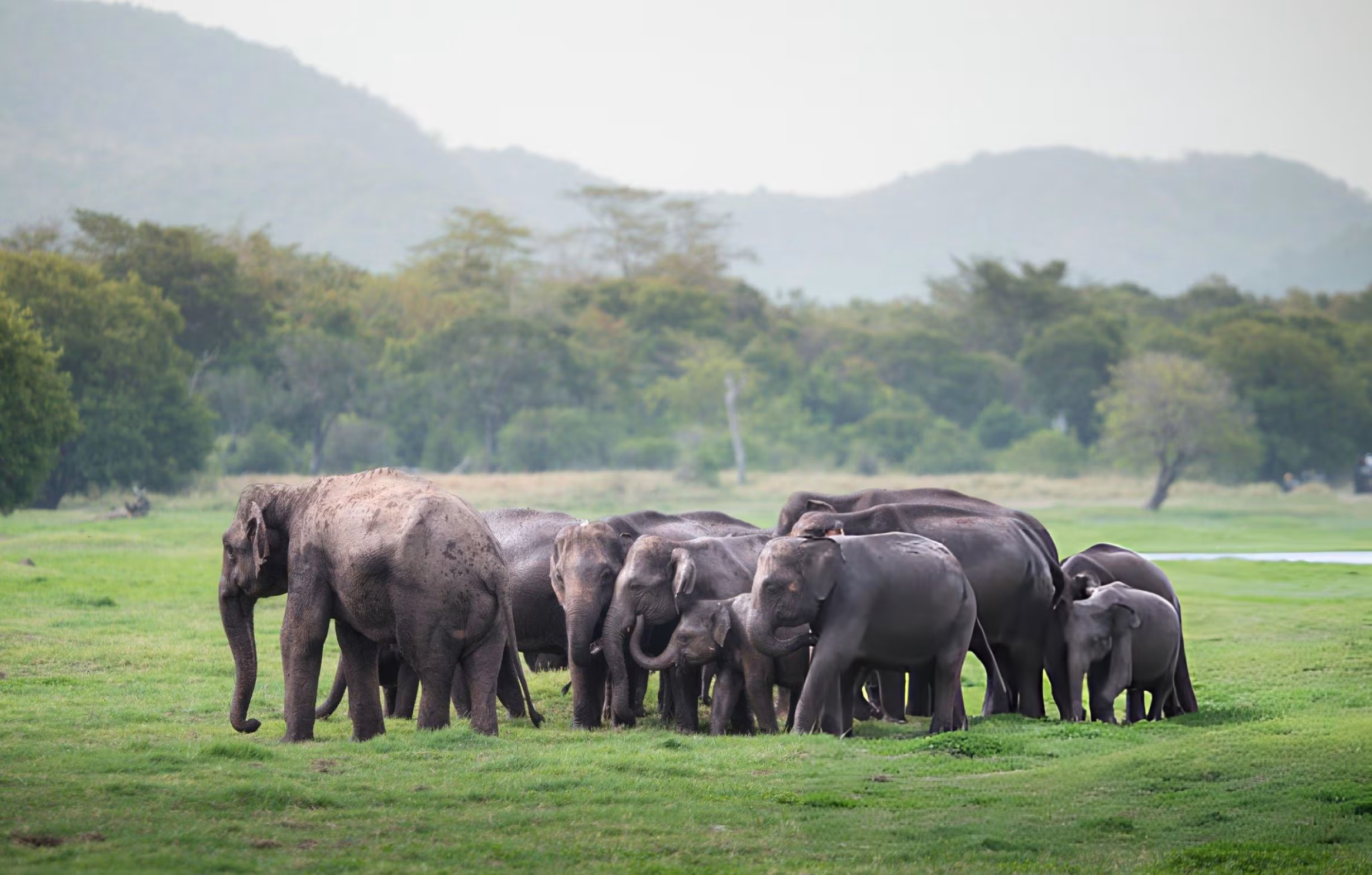
Kaudulla National Park stands as one of Sri Lanka's premier wildlife destinations, renowned worldwide for its magnificent elephant gatherings, incredible biodiversity, and pristine wetland ecosystems. Located in the cultural triangle of Sri Lanka, this 6,900-hectare sanctuary offers visitors an unparalleled opportunity to witness nature's grandest spectacle—the seasonal congregation of Asian elephants. Understanding the best time to visit Kaudulla National Park is crucial for maximizing your wildlife encounters, capturing stunning photographs, and experiencing the park's natural wonders at their peak. Whether you're a first-time safari enthusiast or a seasoned wildlife photographer, timing your visit correctly can mean the difference between seeing a handful of elephants and witnessing herds of over 200 magnificent creatures gathering around the ancient Kaudulla Tank. This comprehensive month-by-month guide will help you plan the perfect safari adventure, ensuring you experience Kaudulla at its absolute best while avoiding crowds and unfavorable weather conditions.
Understanding Kaudulla's Seasonal Wildlife Patterns
The wildlife dynamics of Kaudulla National Park are intrinsically linked to Sri Lanka's monsoon cycles and the ancient irrigation system built by King Mahasen in the 3rd century. The Kaudulla Tank, a massive reservoir at the heart of the park, serves as a life-sustaining water source that dictates animal movement patterns throughout the year. During Sri Lanka's dry season, water sources in neighboring forests diminish, compelling elephants to migrate toward Kaudulla's reliable water supply. This natural phenomenon creates one of Asia's most spectacular wildlife gatherings, often referred to as "The Gathering." Understanding these seasonal patterns is essential for safari planning. The park experiences two distinct seasons: the dry season (May to September) when wildlife concentrations peak, and the wet season (October to April) when animals disperse across wider territories. Beyond elephants, Kaudulla hosts over 160 bird species, including painted storks, pelicans, and migratory species, making it a year-round birdwatching paradise. Large mammals like sambar deer, spotted deer, wild buffalo, and the elusive Sri Lankan leopard also call this park home, though leopard sightings remain rare due to their nocturnal nature and the park's dense vegetation.
Month-by-Month Safari Guide: When to Visit Kaudulla
Planning your Kaudulla safari requires understanding what each month offers in terms of weather, wildlife activity, and visitor experiences. Here's an in-depth look at what to expect throughout the year:
January – March: Dry Season & Early Elephant Gatherings
Weather Conditions: These months mark the beginning of Sri Lanka's dry season in the North Central Province. Expect warm, sunny days with temperatures ranging from 28°C to 34°C (82°F to 93°F). Minimal rainfall creates ideal safari conditions with clear skies and excellent visibility. The dry weather means dusty trails, so bringing sunglasses and a bandana is advisable.
Wildlife Activity: Early dry season brings small to medium-sized elephant herds (15-50 individuals) to the Kaudulla Tank as peripheral water sources begin drying up. Birdlife flourishes during these months with resident species like grey-headed fish eagles, crested serpent eagles, and various kingfisher species actively hunting around the tank. Painted storks and spot-billed pelicans congregate in large colonies, creating spectacular nesting displays. Spotted deer and sambar deer are frequently seen grazing in open grasslands during early morning and late afternoon hours.
Safari Tips: Morning safaris (6:00 AM - 9:00 AM) offer the best wildlife viewing opportunities as animals are most active before the midday heat. The cooler temperatures and soft morning light create perfect conditions for wildlife photography. Afternoon safaris (3:00 PM - 6:00 PM) provide opportunities to witness elephants bathing and socializing at the tank's edge. Book accommodations in nearby Habarana or Polonnaruwa for easy access to the park entrance.
April – May: Transition Period & Off-Peak Safari Season
Weather Conditions: April and May represent the inter-monsoon transition period with occasional afternoon thundershowers. Temperatures peak during these months, often reaching 35°C (95°F) during midday. The humidity increases as the southwest monsoon approaches, making early morning safaris more comfortable. Rainfall is sporadic but can create dramatic skies perfect for atmospheric photography.
Wildlife Activity: Elephant herds begin dispersing as monsoon rains replenish forest water sources, but some bachelor herds and family groups remain near the tank. This period is excellent for observing elephant behavior as smaller groups allow for more intimate viewing experiences. Migratory bird species begin their northward journey, while resident species like Sri Lankan grey hornbills and Ceylon junglefowl remain abundant. Wild buffalo herds are commonly spotted wallowing in muddy areas near the tank.
Safari Tips: Take advantage of reduced tourist numbers during this off-peak season—you'll often have entire safari routes to yourself. The lower visitor density means animals are less disturbed and more relaxed around safari vehicles. Consider combining your Kaudulla visit with nearby cultural sites like Sigiriya Rock Fortress or Polonnaruwa ancient city. Rates for accommodations and safari jeeps are typically lower during this period, offering excellent value for budget-conscious travelers.
June – September: Peak Elephant Gathering Season

Weather Conditions: These months constitute the absolute best time to visit Kaudulla National Park for elephant enthusiasts. The dry season reaches its peak with virtually no rainfall and consistently sunny skies. Temperatures remain hot (30°C to 35°C / 86°F to 95°F), but the lack of humidity makes conditions comfortable for safari activities. Dust levels increase significantly, so protect your camera equipment with appropriate covers.
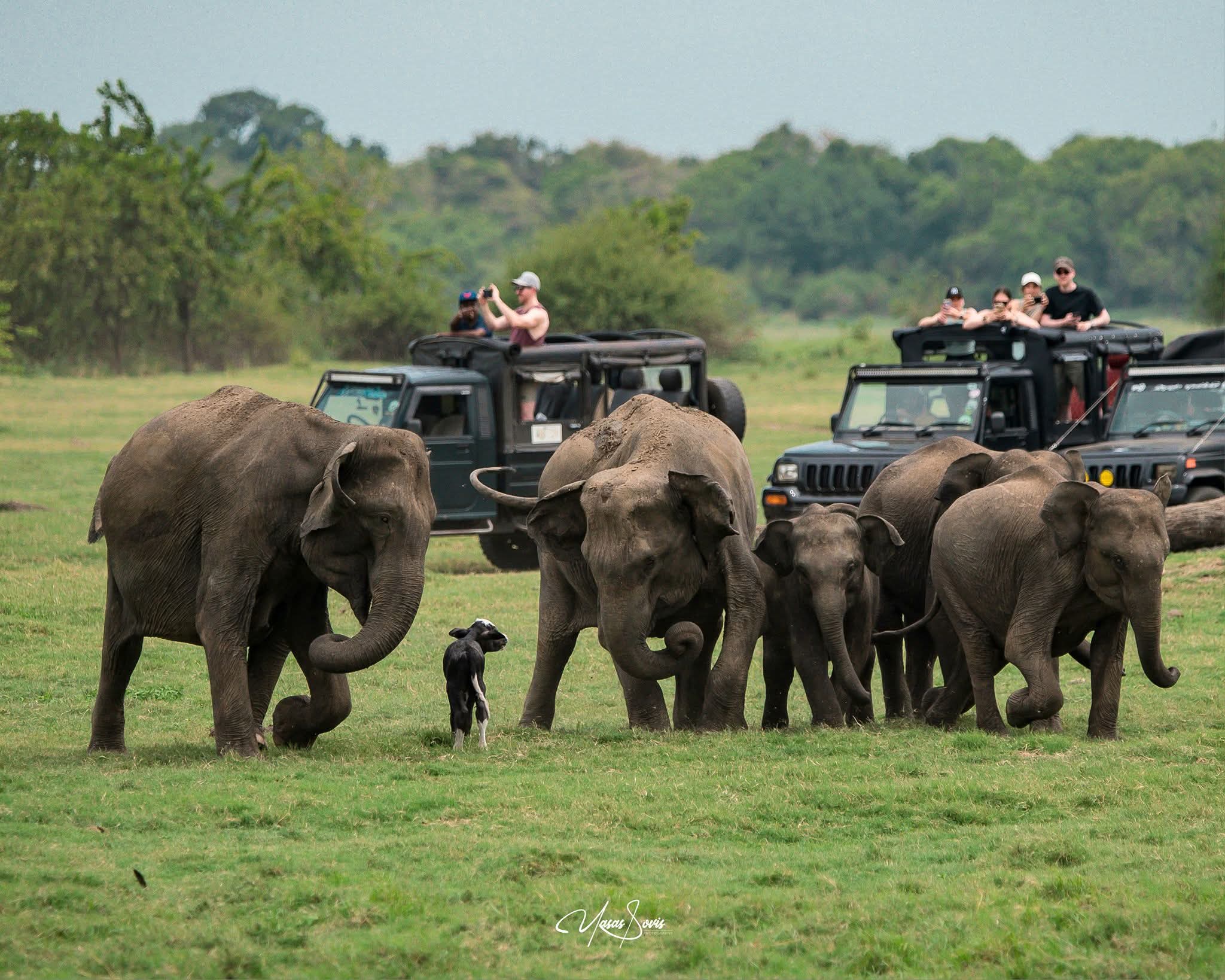
Wildlife Activity: This is when the legendary "Gathering" occurs—one of the largest seasonal congregations of Asian elephants anywhere in the world. Herds numbering 100 to 300+ elephants converge on the Kaudulla Tank as it becomes one of the few remaining water sources in the region. Witnessing hundreds of elephants—including playful calves, protective mothers, massive bulls, and entire family groups—gathering, bathing, feeding, and interacting is an absolutely breathtaking experience. The shallow tank edges expose fresh grass growth, attracting herbivores from across the region. Large crocodiles bask on exposed mudflats, while water birds including lesser adjutants and painted storks follow the elephants to feed on disturbed fish and invertebrates.
Safari Tips: This is Kaudulla's busiest season, so advance booking is essential—reserve your safari jeep and accommodations at least 2-4 weeks ahead, especially for weekends and holidays. Consider the Kaudulla-Minneriya safari circuit: if elephant numbers are lower in Kaudulla, they're likely concentrated in nearby Minneriya National Park, and vice versa. Experienced guides monitor both parks daily and can direct you to the best viewing locations. Late afternoon safaris often provide the most spectacular elephant viewing as herds gather at the water's edge for evening bathing sessions. Bring a telephoto lens (minimum 200mm) for photography, though you'll also want a wider lens to capture the scale of massive herds. Sunset safaris offer magical golden-hour lighting that makes for stunning photographs.
October – November: Monsoon Season & Green Renewal
Weather Conditions: The northeast monsoon arrives in October, bringing regular rainfall that transforms the park's landscape. Expect intermittent showers, particularly in the afternoons, with temperatures cooling slightly to 27°C to 32°C (81°F to 90°F). The park's grasslands green up rapidly, creating a lush, verdant environment that contrasts beautifully with the dry season's golden hues.
Wildlife Activity: As water sources proliferate across the region, elephant herds disperse into surrounding forests, making large gatherings less common. However, smaller groups (5-20 elephants) can still be encountered, often providing more intimate viewing experiences. This period marks peak birdwatching season as migratory species arrive from northern regions. Waterfowl populations explode with numerous duck species, waders, and shorebirds congregating around the expanding tank. The increased vegetation provides excellent cover for mammals like rusty-spotted cats and fishing cats, though these remain extremely difficult to spot.
Safari Tips: Pack waterproof gear including rain jackets and protective covers for cameras and electronics. Despite the rain, safaris continue and offer unique opportunities to observe animal behavior during weather events. The reduced tourist numbers create a more exclusive safari experience—you might be one of only a handful of visitors in the entire park. The wet season brings out vibrant green landscapes perfect for scenic photography. Consider staying in eco-lodges near the park that offer birdwatching platforms and nature walks to complement your safari experience.
December: Early Dry Season Resurgence
Weather Conditions: December marks the beginning of the dry season's return with decreasing rainfall and clearing skies. Temperatures remain comfortable at 26°C to 31°C (79°F to 88°F) with lower humidity than earlier in the year. This transitional weather creates pleasant safari conditions without the intense heat of peak dry season.
Wildlife Activity: Elephant numbers begin increasing again as family groups return to the Kaudulla Tank area, though not yet in the massive concentrations seen during June-September. Small to medium herds (20-80 elephants) are commonly encountered. Resident and migratory bird populations overlap during this period, creating exceptional birdwatching opportunities with maximum species diversity. Spotted deer fawning season occurs in December, offering chances to observe mothers with young fawns.
Safari Tips: December offers an excellent balance between good weather, increasing wildlife activity, and moderate tourist numbers. It's an ideal time for photographers seeking dramatic lighting without extreme heat or crowds. The park's mixed vegetation—remaining greenery from monsoon rains combined with drying grasslands—creates varied habitats supporting diverse wildlife. Book accommodations early if visiting around Christmas or New Year holidays when tourist numbers spike.
Why Timing Matters for Your Kaudulla Safari Experience

Selecting the optimal time for your Kaudulla safari profoundly impacts your overall experience, wildlife sightings, and photographic opportunities. Peak season (June-September) guarantees the highest probability of witnessing massive elephant gatherings—often the primary reason travelers visit Kaudulla. During these months, you're virtually guaranteed to see substantial elephant herds, making it worth the higher visitor numbers and premium rates. The dry conditions ensure comfortable safaris with minimal rain interruptions and excellent visibility across the open grasslands surrounding the tank. However, this popularity means sharing the experience with more tourists and potentially higher accommodation costs.
Shoulder seasons (January-March and December) offer compelling alternatives for visitors seeking a balance between good wildlife viewing and fewer crowds. You'll still encounter significant elephant numbers, enjoy pleasant weather conditions, and benefit from lower accommodation rates and less competition for safari bookings. These periods are particularly suited for families or first-time safari-goers who want reliable wildlife encounters without peak season intensity.
Off-peak months (April-May and October-November) cater to adventurous travelers, dedicated birdwatchers, and those seeking intimate wilderness experiences. While elephant gatherings are smaller or dispersed, the trade-off includes near-exclusive access to the park, lower costs, and opportunities to observe different aspects of the ecosystem. Serious birdwatchers particularly prize the October-November period when resident species are joined by northern migrants, creating unparalleled diversity.
Wildlife photography considerations heavily favor the dry season when clear visibility, predictable animal movements around water sources, and harsh lighting create dramatic images. However, the monsoon season's lush greenery and dramatic storm clouds offer unique atmospheric opportunities for creative photographers. Understanding your priorities—whether maximum elephant numbers, optimal photography conditions, budget considerations, or peaceful experiences—allows you to select the perfect timing for your Kaudulla adventure.
Comprehensive Safari Planning Tips for Kaudulla National Park
Maximizing your Kaudulla safari experience requires careful planning and understanding several key factors. Morning safaris (6:00 AM to 9:00 AM) provide the highest probability of diverse wildlife encounters as animals are most active during cooler morning hours. Elephants often feed in open grasslands during early morning, while predators like leopards occasionally make rare appearances near the park boundaries. The soft morning light creates ideal photographic conditions with warm, golden tones and long shadows that add depth to images. Additionally, morning temperatures are significantly more comfortable than midday heat, particularly during peak dry season.
Afternoon safaris (3:00 PM to 6:00 PM) offer different advantages, particularly for elephant viewing. As temperatures cool, elephant herds move toward the tank for evening bathing and drinking sessions—often the day's most spectacular wildlife viewing. The late afternoon light transitions into golden hour (approximately 5:00 PM to 6:00 PM), creating magical lighting conditions for photography. Sunset safaris allow you to witness elephants silhouetted against colorful skies, creating stunning imagery. However, be prepared for more crowds during afternoon safaris as this is when most day-visitors choose to explore the park.
Hiring an experienced local guide dramatically enhances your safari quality. Licensed guides possess intimate knowledge of the park's geography, animal movement patterns, and specific locations where wildlife congregates. They understand elephant behavior, identifying individuals and family groups by sight, and can interpret subtle signs of animal activity invisible to untrained eyes. Guides also ensure visitor safety when encountering large elephant herds and help position vehicles for optimal viewing and photography. When booking, request guides who speak your language and have experience with wildlife photography if capturing images is a priority.
Combining parks strategy: Consider the Kaudulla-Minneriya safari circuit during peak season. These adjacent parks share elephant populations that move between them based on water and food availability. If one park has lower elephant numbers on a given day, the other often hosts larger concentrations. Experienced safari operators monitor both parks daily and can advise which location offers better viewing. Some tour companies offer two-park safaris, though this requires a full day commitment. The nearby Hurulu Eco Park represents another alternative if both Kaudulla and Minneriya show reduced elephant activity.
Essential safari packing list: Bring binoculars (8x42 or 10x42 magnification) for wildlife viewing, a camera with telephoto lens (200-400mm ideal), spare batteries and memory cards, sun protection including hats, sunglasses, and high-SPF sunscreen, insect repellent (particularly during wet season), light, breathable clothing in neutral colors (avoid bright colors that might disturb animals), and a refillable water bottle to stay hydrated. During monsoon months, pack waterproof jackets and protective camera covers.
Best Accommodations Near Kaudulla National Park
Strategically selecting your accommodation enhances your safari experience by minimizing travel time to park entrances and providing complementary nature experiences. Habarana serves as the most popular base, located just 20 minutes from Kaudulla's main entrance. This town offers diverse accommodation options from budget guesthouses to luxury resorts, most with swimming pools perfect for post-safari relaxation. Many Habarana properties provide organized safari services, allowing convenient booking without separate tour operators.
Polonnaruwa, situated 30 minutes from Kaudulla, combines safari access with proximity to UNESCO World Heritage ancient ruins. This option suits travelers interested in both wildlife and cultural experiences, allowing you to explore ancient temples and royal palaces between safaris. Accommodations range from simple guesthouses to comfortable mid-range hotels with good dining options.
Eco-lodges and wilderness camps surrounding Kaudulla offer immersive nature experiences with sustainable tourism practices. Properties like Cinnamon Lodge Habarana and Deer Park Hotel provide extensive grounds where wildlife roams freely, creating mini-safari experiences right at your accommodation. These lodges typically feature naturalist-led nature walks, birdwatching platforms, and evening wildlife presentations that complement daytime safaris.
Luxury travelers might consider Jetwing Vil Uyana or Cinnamon Lodge Habarana, which offer premium amenities, exceptional dining, spa services, and organized safari experiences with experienced naturalist guides. These properties often provide private safari vehicles, increasing flexibility for customized itineraries and photography-focused tours.
Conservation and Responsible Safari Practices
Kaudulla National Park faces ongoing conservation challenges including human-elephant conflict in surrounding villages, habitat fragmentation from agricultural expansion, and tourism pressure during peak seasons. Visitors play a crucial role in supporting conservation through responsible tourism practices and supporting local communities dependent on wildlife tourism.
Responsible safari guidelines: Maintain a respectful distance from wildlife—never ask drivers to approach animals too closely, particularly elephant herds with young calves. Avoid loud noises, sudden movements, or shouting that might disturb animals. Never feed wildlife as this disrupts natural behaviors and creates dangerous situations. Stay inside safari vehicles at all times except in designated safe areas—elephants can be unpredictable and dangerous when threatened. Dispose of all waste properly, bringing trash back from the park rather than littering these pristine environments.
Supporting conservation: Choose operators and accommodations committed to sustainable tourism practices and conservation support. Many eco-lodges contribute portions of revenue to local conservation initiatives and community development projects. Consider donations to Sri Lankan wildlife conservation organizations like the Wilderness and Wildlife Conservation Trust or Sri Lanka Wildlife Conservation Society, which work to protect elephant corridors and reduce human-wildlife conflict.
Photography ethics: While capturing images is important for memories and raising wildlife awareness, animal welfare must take precedence. Never use flash photography, particularly around elephants, as this causes stress and may provoke dangerous reactions. Don't harass animals by repeatedly following them or blocking their movements to get better shots. Respect other safari participants' viewing opportunities rather than monopolizing positions or demanding drivers move for your preferred angles.
Final Thoughts: Planning Your Perfect Kaudulla Safari
Choosing the best time to visit Kaudulla National Park ultimately depends on your personal priorities, whether that's witnessing massive elephant gatherings, enjoying peaceful nature experiences, capturing spectacular wildlife photography, or simply immersing yourself in Sri Lanka's natural beauty. The June-September peak season delivers virtually guaranteed elephant spectacles but comes with crowds and premium prices. Shoulder seasons provide excellent balance between reliable wildlife viewing and more intimate experiences. Off-peak periods reward adventurous travelers with unique perspectives on the ecosystem's annual cycles.
Regardless of when you visit, Kaudulla offers extraordinary opportunities to connect with nature and witness Asian elephants in their natural habitat—an increasingly rare privilege as wild elephant populations decline across Asia. Plan ahead by checking weather forecasts, booking accommodations and safaris in advance (particularly during peak season), and preparing appropriate gear for your chosen travel period. Consider extending your stay to explore multiple parks and nearby cultural sites, creating a comprehensive Sri Lankan adventure.
Most importantly, approach your safari with patience, respect for wildlife, and openness to whatever nature presents. While everyone hopes for massive elephant gatherings and leopard sightings, every moment in Kaudulla's wilderness holds value—from watching painted storks nesting in ancient trees to observing the intricate behaviors of spotted deer families. Book your Kaudulla jeep safari today and prepare for an unforgettable Sri Lankan wildlife adventure that will create memories lasting a lifetime. Whether you're watching the sunrise over the ancient tank with elephants silhouetted against the morning sky or experiencing the magic of hundreds of elephants gathering during peak season, Kaudulla National Park promises experiences that connect you deeply with the natural world.